Welcome to WordPress. This is your first post. Edit or delete it, then start writing!
Blog
-

The Power of Ritual to Support Your Wellbeing

Have you ever noticed how certain small actions can completely shift your mood?
Maybe itโs the way you make your morning coffee, the moment you light a candle in the evening, or even pausing for a deep breath before starting your day.
These little momentsโwhen done with intentionโbecome rituals. And rituals have the power to support your wellbeing in ways you might not even realize.
In this post, weโll explore what rituals are, why theyโre so powerful, and how you can begin weaving them into your daily life to create more calm, clarity, and connection.
What Exactly Is a Ritual?
At first glance, rituals might look like routinesโbut thereโs an important difference.
A routine is something you do automatically, like brushing your teeth or checking your phone first thing in the morning. A ritual, on the other hand, is infused with presence and meaning. Itโs about slowing down and intentionally engaging with the moment.
Think of the difference between grabbing a quick coffee on the go versus taking a moment to really savor the aroma, the warmth of the mug, and the first sip. Same actionโbut one is routine, and the other is ritual.
Rituals have been part of human culture for centuries. Theyโve always marked transitions, provided a sense of stability, and brought deeper meaning into everyday life. And as modern research shows, they also have measurable benefits for our wellbeing.
The Science of Rituals
You donโt have to take this on faith aloneโscience has a lot to say about the benefits of rituals.
- They reduce stress. A Harvard Business School study found that performing simple rituals before stressful events (like public speaking) lowered anxiety and improved performance.
- They help with emotional resilience. Research published in the Journal of Experimental Psychology showed that ritual-like actions during times of grief or transition gave people a greater sense of control and helped them process emotions more effectively.
- They calm the nervous system. Engaging the sensesโthrough scent, touch, or soundโactivates the bodyโs relaxation response. Use smells or sounds that you know your body responds well to as part of your daily rituals to trigger this benefit.
- They improve focus and performance. A study in Psychological Science found that ritualsโeven simple onesโhelp athletes and performers feel more confident and reduce performance anxiety.
In short, rituals support both the mind and body, making them powerful tools for everyday wellbeing.
How to Create Your Own Rituals
Creating rituals doesnโt have to be complicated. Here are a few tips to get started:
- Choose a small action. Rituals donโt need to be big or time-consuming. For example, placing your hand on your heart in gratitude before getting out of bed, writing a single word in your journal that reflects your mood, or rolling your shoulders before you begin work.
- Anchor it to something you already do. Tie your ritual to a habit thatโs already part of your dayโlike stepping outside for a breath of fresh air after turning off your alarm, setting an intention while you wash your hands, or expressing gratitude when you put your keys down after coming home.
- Engage your senses. Sound, scent, and touch can help anchor you in the present moment. A piece of music, a favorite essential oil, or even the feel of a smooth stone in your hand can all serve as ritual supports.
- Be flexible. Rituals are there to serve you, not box you in. Let them evolve with your needs, and give yourself permission to change them when life shifts.
Final Thoughts
Rituals donโt have to be grand or time-consuming. Theyโre simply about bringing intention and presence into small moments of your day. Over time, these little acts of meaning add up to a big shift in how you feelโmore grounded, more connected, and more at peace.
So maybe ask yourself: where could I bring a little more intention into my day?
And if you already have a ritual that nourishes youโwhether itโs journaling, lighting a candle, or a mindful walkโIโd love to hear about it. Share it in the comments below.
Thank you for reading. You might also be interested in:
Tips to Balance your Health and Wellbeing during Vata Season.
-

3 Surprising Reasons Why Your Home Might Feel Off
There are so many videos and blog posts out there about why your home might feel โoffโ, and how to fix it.
Usually, the advice centres around getting your rug size right, improving your lighting, or investing in better window treatments. And honestly, all of that has its place. I offer that kind of guidance too. But here’s the thing:
Those tips are usually focused on why your home looks offโฆnot why it feels off.
And those are two very different things.
You can have a home that looks picture-perfect but still doesnโt feel right. Or you can have a space that looks a little unfinished or unconventional but feels absolutely nourishing to be in. Of course, itโs ideal when both align. And how your home looks definitely feeds into how your home feels. But there are other, less tangible reasons that can have an even bigger impact.
The Missing Piece Most Designers Donโt Talk About
When I was studying interior design, I read a book by Ilse Crawford (Home is Where the Heart is), who is a designer, and was a long-time editor of Elle Dรฉcor magazine. She reflected on how many of the beautifully styled homes they photographed, while they looked amazing, many of them felt emotionally flat.
That insight stuck with me. As a life coach and meditation teacher, I knew that I when I finished my training I wanted to help people create homes that nurtured them on every levelโphysically, emotionally, mentally, spiritually.
Design shouldnโt be just about aesthetics. It should also be about energy. About how you feel when you walk into your home.
So Why Does Your Home Feel Off?
If you like how your home looks, overall, but no matter what you do something continiously feels a bit off to you, it might be down to one (or more) of these three reasons:
1. Youโre Listening to Experts Instead of Your Intuition
Designers can be incredibly helpful โ we offer guidance on layout, style, functionality, colour, scale, and more. But weโre not you. And your home isnโt a showroom.
The only person who truly knows what feels right in your space is you.
So while expert advice is valuable, itโs not gospel. Use it as a guide, but let your own instincts take the lead. Pay attention to what makes you feel calm, grounded, energised, or inspired in a space. That internal compass is your best design tool.
2. Youโre Following Trends Instead of Curating Your Own Style
This oneโs a classic pitfall. Itโs tempting to copy what you see on Pinterest or Instagram, especially when the images are so beautiful and polished.
But that kind of inspiration can lead to a surface-level fix โ a dopamine hit that fades fast.
True satisfaction comes from a space that reflects you. Your tastes, your lifestyle, your memories, your dreams. That takes time to discover. Itโs a journey of personal expression, not a weekend makeover. Be patient and allow your style to evolve with you.
3. Youโre Decorating in a Hurry
This is such a common trap. We move into a new home โ or we finally decide to tackle a room โ and we put ourselves under pressure to get it โdoneโ as quickly as possible. That urgency often leads to impulse purchases, mismatched styles, and a space that may look okay but doesnโt feel cohesive or authentic.
I talk about this more in this piece on Slow Decorating, but in essence this is the takeway: taking your time is one of the kindest things you can do for yourself and your home.
Give yourself permission to not have it all figured out right away. Take the pressure off so that you can slow down and enjoy the process.
Creating a Home That Feels Right
If youโve been doing all the โrightโ things and your home still doesnโt feel quite right, I hope you will consider taking a more internally-inspired.
Start tuning into how you want to feel at home. Let that guide your decisions. Trust yourself. Trust your space. It will tell you what it needs, if you slow down and listen. I have a short meditation that can help you with that โ you can check it out here.
Thanks for reading. You might also be interested in:
How your Home can Help Heal You.The Lost Art of Slow Decorating: A Better Way to Create a Home that Truly Reflects You.
-

How Your Home Can Help Heal You
โ even if you’re renting, on a budget, or feeling overwhelmed
A very common thing we designers often hear is, โI just want that wow effect.โ And I completely get it. Of course we want to feel impressed by our space โ to walk into a room and think yes, this is beautiful. But if you’re familiar with my philosophy at all, you’ll now that, for me, the true โwowโ lies not just in how a space looksโฆ but in how it makes us feel.
I believe that the most powerful role our homes can play is as a sanctuary โ a space that actively supports our wellbeing. Because the truth is, weโre all carrying something. Stress. Grief. Anxiety. Exhaustion. We carry it in our hearts, in our minds and in our bodies. And what we carry impacts our overall wellbeing โ mentally, emotionally, and physiologically.
But here’s the good news: our homes can help us release it.
They can become spaces that gently hold and support us as we heal. And this doesnโt require a full renovation, a huge budget, or even owning the place you live. It just requires intention โ and a few simple, conscious shifts.
In this post, Iโm weaving together some of the key ways your home can help you heal โ all of which are low-cost (or free), and completely rental-friendly.
1. Use Colour Consciously
Colour is one of the easiest ways to shift how a space feels โ and how you feel in it. Itโs not just about aesthetics or style trends. Colour can actually communicate directly with our nervous systems.
The key principle? Colour temperature.
- Warm colours (reds, oranges, yellows) stimulate and energise. They’re great for active spaces like kitchens, dining rooms, playrooms โ anywhere you want to encourage connection or productivity.
- Cool colours (blues, greens, purples) calm and soothe. They’re perfect for bedrooms, living rooms, meditation spaces โ anywhere you want to relax or focus.
But there’s another layer here โ one that goes deeper than simple psychology: your seasonal personality type. We all have a unique energetic blueprint (a blend of Spring, Summer, Autumn, and Winter energies), and the colours weโre instinctively drawn to often reflect what best supports our own balance and wellbeing.
If youโre not sure what your dominant season is, Iโve created a free quiz you can take to find out.
When we understand our own seasonal personality type โ and the types of those we live with โ it becomes so much easier to create a home that feels naturally supportive and harmonious for everyone.
2. Decluttering as Self-Care
Letโs get one thing clear: Iโm not preaching minimalism here. For me, decluttering isnโt so much about owning less โ itโs more about letting go of what we donโt love or use, so we can create space for what matters.
Everything we surround ourselves with carries energy. If weโre constantly seeing things weโre indifferent to, or that drain us, that has an impact. But when weโre surrounded by things we genuinely love or find useful, our homes start to give us energy rather than take it.
Letting go can be surprisingly cathartic. Not just on a physical level โ but mentally and emotionally, too.
3. Space Clearing the Unseen
Space clearing is the energetic follow-up to decluttering. It’s about cleansing and resetting the invisible atmosphere of your home.
Yes โ this is one of my more โwooโ practices, but I truly believe in it. And if youโre even a little bit energetically sensitive, youโll feel the difference after you do it.
Itโs especially helpful:
- After illness
- After an argument
- When moving into a new space
- Or any time you feel like your home feels a little โoffโ
You donโt need fancy tools or complicated rituals. Iโve put together a cheat sheet download that walks you through a simple, effective space clearing process.
4. Create a Sacred Corner
You donโt need a meditation room or a dreamy Pinterest nook. Just carve out a little pocket of your home thatโs yours โ a space to decompress and come back to yourself.
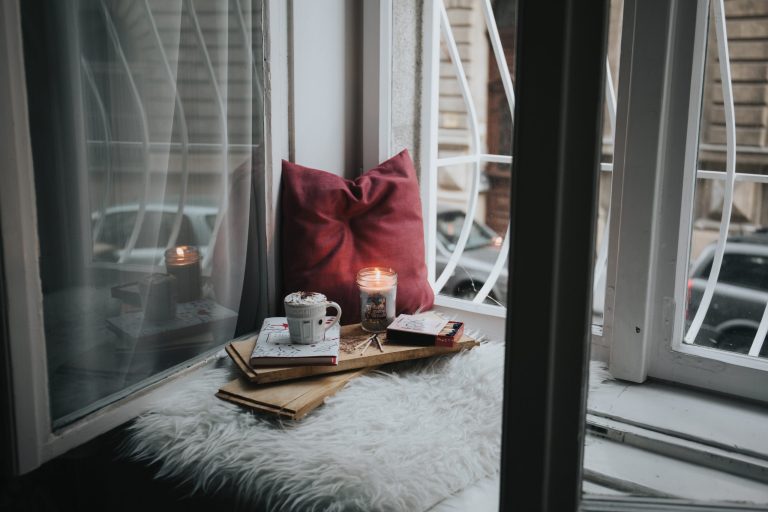
Maybe itโs a cosy chair with a cushion and blanket. A sunny windowsill with a view. A little altar, or just a corner of your bedroom where your phone doesnโt follow.
The magic comes from treating it like a retreat โ even for just ten minutes a day. Sip your morning cuppa, write in your journal, do a short meditation, or simply sit and breathe. Itโs amazing how restorative this small ritual can be.
5. Try a Little Feng Shui (or Vastu Shastra)
I donโt teach feng shui in the traditional โmanifest your dream lifeโ kind of way โ but I do love using it as a personal development tool.
These systems connect different parts of your home to different areas of your life. So, by making changes in certain spaces, you can bring more balance to the related area โ whether thatโs relationships, health, career, or creativity.
I always recommend approaching feng shui with curiosity rather than perfectionism. If you didnโt grow up with these systems embedded in your culture, thereโs no need to stress over every guideline. Just take what feels supportive, and leave what doesnโt.
6. Balance Yin & Yang Energy
This is one of the most powerful shifts you can make โ and it ties everything together.
- Yin energy is soft, feminine, nurturing, restful.
- Yang energy is active, bright, structured, energising.
We need both in our homes โ just like we need both in our lives. Bedrooms, bathrooms, and meditation corners need more yin. Kitchens, workspaces, and social areas benefit from more yang.
When your home holds the right balance of these energies, it naturally supports the balance in you.
Your Home Is More Than Just a Backdrop
When weโre intentional about how we set up our homes โ not just visually, but energetically โ our spaces start to nourish us. They hold us. They ground us. They support our growth.
You donโt need a huge budget or a full makeover to start. Just choose one small thing to shift, and begin there.
Thanks for reading. You might also enjoy:
Discover your Seasonal Personality Type and How it can Transform your Home.
Feng Shui: Personal Development versus Manifestation
Create a Home Altar to Bring the Sacred into Everyday Life
-

Discover Your Seasonal Personality Type โ And How It Can Transform Your Home
Have you ever wondered why certain colours or design styles resonate with you more than others? It might have more to do with your personality than you think.
One of the most powerful โ and surprisingly personal โ tools I use in my design process is the concept of seasonal personality types. Itโs rooted in colour psychology and mirrors the qualities of the four seasons: Spring, Summer, Autumn, and Winter. Each one carries its own set of traits, preferences, and even patterns in buying behaviour โ all of which influence how we live and decorate.
Understanding your seasonal personality can give you huge clarity when it comes to choosing colours, furnishings, and even architectural styles. It helps you create a home that not only looks beautiful but truly supports your wellbeing.
Letโs explore the four seasonal types in more detail.
Spring Personality
Spring personalities are lively, bubbly, and full of optimism. Creative and young at heart, they bring a vibrant energy wherever they go. Theyโre welcoming, fun, enthusiastic, and tend to be very in tune with whatโs current and trending โ which is important to consider when it comes to decorating.
Spring types are often influenced by whatโs fashionable and are drawn to whatever feels fresh and exciting in the moment. Theyโre also natural communicators and love new beginnings. However, they can be susceptible to Seasonal Affective Disorder (SAD), so they tend to do best when surrounded by bright, uplifting decor during the darker months of the year.
In terms of career, youโll often find Spring personalities in nursing, teaching, sales, communications, entertainment, or event management. Theyโre the kind of people who bring lightness and charm to their workplace โ and who often stay in the same job for years.
Their buying behaviour reflects their love for change and spontaneity. They tend to follow trends, which means they often update their wardrobes and home accessories. Because of this, theyโre more likely to buy affordable, non-investment pieces and to change things up frequently.

When it comes to home preferences, Spring types are drawn to light, airy spaces with lots of windows and open-plan layouts. Their ideal colour palette includes clear pastels like baby blue, soft pink, lemon yellow, lime green, and peach โ colours that feel joyful and uplifting.
They tend to favour finishes like light woods, gold, wicker, and glossy surfaces that bounce light around the room. Their patterns of choice include dainty florals and soft circular shapes โ youโre more likely to find a round dining table in a Spring home than anywhere else.
They generally dislike dark walls and floors, heavy or bulky furniture, and anything they might consider gloomy or oppressive. Lighter, flat-pack furniture is more their style โ easy to switch out and never too serious. A Spring home feels relaxed, cheerful, and full of movement โ a true reflection of its vibrant occupant.
Summer Personality
Summer personalities are graceful, calm, and softly spoken. They carry a quiet elegance and a sense of serenity, and may be a little reserved or understated in their manner. They thrive on structure and order, preferring to plan things in advance and keep their homes and lives well-organised.
Theyโre detail-oriented, responsible, highly perceptive, and deeply considerate of others. Summer types are often natural caregivers and great listeners, with a strong sense of empathy. They also tend to be artistic or musically gifted.
Professionally, Summer types are often drawn to roles that require emotional intelligence, grace under pressure, and diplomacy. Youโll frequently find them in careers like medicine, human resources, counselling, or the arts โ including music and fine art.
When it comes to shopping, Summer personalities value quality over quantity. They are thoughtful buyers who do their research, read reviews, and look for longevity in everything they purchase. They prefer to invest in high-quality pieces and will often become loyal, repeat customers once they find a brand or maker they trust.

In terms of home style, Summer personalities are drawn to period homes and classic, timeless interiors. Their colour preferences lean toward soft, muted tones โ rose pinks, greys, taupes, plums, and gentle blues, often with a grey undertone.
Their homes tend to feature elegant, flowy, natural textiles like linen, silk, and cashmere. Furniture is often antique or heirloom-quality, with a preference for refined finishes like satinwood or rosewood. Theyโre drawn to oval shapes and prefer coordinating pieces โ think bedroom or living room furniture sets, carefully chosen for how they work together.
What they dislike is cheap or flimsy furniture, anything too bright or garish, and overly heavy or cluttered styles. Their ideal home is one that feels calm, serene, and softly luxurious โ a peaceful sanctuary with an understated elegance.
Autumn Personality
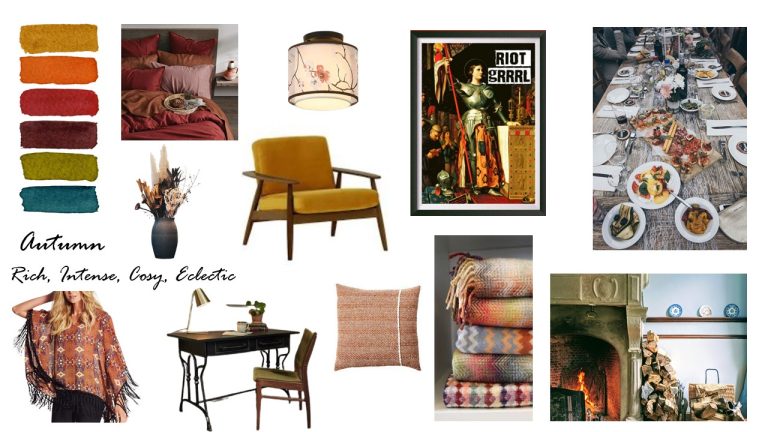
Autumn types are warm, grounded, and down to earth. Theyโre deeply connected to nature, passionate about authenticity, and often incredibly loyal to their personal values. These are the people who love to learn, who question the status quo, and who get fired up about the things that matter to them.
They often have a creative or theatrical side, with an uplifting, passionate energy. But theyโre also thoughtful, introspective, and curious โ always digging deeper to understand the world around them.
Youโll find Autumn personalities in careers that involve depth, investigation, or creativity. Common roles include psychologist, psychiatrist, detective, archaeologist, investigative journalist, or interior designer. Theyโre also drawn to architecture and spatial planning, where they can combine creativity with practicality.
When it comes to buying, Autumn types are thoughtful and inquisitive. Like Summers, they do their research โ but while Summers may favour antiques, Autumns are more open to vintage and second-hand in general. Theyโre often the most eco-conscious shoppers, drawn to upcycling, recycling, and sustainable choices. For them, substance and comfort matter far more than style or trends.

Architecturally, Autumns are drawn to older buildings and are often fond of an industrial edge. They love a mix of old and new, and adore texture โ the more layers, the better. Lighting is carefully considered and typically layered to create a cosy mood. They tend to have a more eclectic taste and are the most likely to embrace a maximalist style.
Their preferred shapes are strong and solid โ square and rectangular furniture, sturdy pieces that feel dependable. Their colour palette reflects the richness of the season: burnt oranges, mustard yellows, olive greens, russets, browns โ all warm, earthy, and inviting.
They donโt care for greys or cooler tones, and they dislike flimsy or flashy furnishings, prioritising comfort and authenticity. An Autumn home feels soulful, layered, and deeply lived-in โ a space to exhale and feel truly at home.
Winter Personality
Winter personalities are confident, discerning, and precise. They often have a commanding presence and a sharp intellect. These are the natural leaders โ strong-willed, clear-headed, and often a little glamorous. Winters donโt follow trends. They know what they like, and theyโre not afraid to pursue the very best.
Professionally, Winters thrive in high-stakes, high-performance environments. Youโll often find them working as surgeons, barristers, financiers, politicians, or CEOs โ always at the top of their game.
Their shopping behaviour is driven by a desire for excellence. Like Summers, they buy quality โ but while Summer values subtlety, Winter wants their investment to look high-end. They gravitate toward sophisticated, statement pieces that exude luxury and status.

Winters are drawn to sleek, modern spaces with strong architectural lines. They prefer custom-designed homes or minimalist interiors that make a visual impact. Their colour palette features bold contrast โ pure white, jet black, charcoal, deep navy, and jewel tones โ all used with intention.
Patterns tend to be geometric and striking, and their preferred materials include silk, leather, and polished metal โ no florals, no polyester, and definitely no clutter. Texture is kept to a minimum to preserve clean lines and visual clarity.
Their spaces feel curated and confident โ fewer pieces, higher impact. A Winter home is modern, minimalist, and deeply considered. Itโs a space that feels elevated, refined, and unmistakably high-end.
Not Just One Season?
Itโs perfectly normal to see yourself in more than one seasonal type. In fact, most people will have a dominant season and then resonate with aspects of one or two others. For example, Iโm primarily Autumn, but I also have a lot of Spring energy โ and yes, theyโre very different!
This insight is especially helpful when sharing your home with someone else. Understanding your own mix, along with your partnerโs, can make it much easier to blend styles in a way that works for both of you. Look for intersections between your types โ where colour palettes, textures, or layout preferences overlap โ and start designing from there.
Want to Discover Your Type?
If you’d like a little more clarity on which seasonal personality type best reflects you, Iโve created a free quiz that is fun and only takes a couple of minutes. Itโs a lovely place to start if youโre working on a home project or simply want to understand your preferences better. I recommend you take it twice. Note which answers you choose the first time round, and then the second time choose your second-favourites. This will help you clarify your primary and secondary types.
👉 Take the quiz hereLet me know in the comments โ which season are you, and how is it reflected in your space? I’d love to hear.
-
Tips to Balance Your Health and Wellbeing During Vata Season

Here in the northern hemisphere, autumn is definitely starting to settle in.
The days are getting shorter, the leaves are changing colour and a distinct change is taking place in natureโs colour palette.
And you may be noticing these external shifts are being mirrored by some internal adjustments – physically, mentally, or emotionally?
This seasonal shift is what Ayurveda, the ancient Indian science of healing, refers to as Vata season, which typically runs from late autumn through early winter. If youโre new to this subject, Ayurveda teaches that understanding the cycles of nature and how they influence our inner landscape is key to staying balanced.
Naturally, maintaining balance is important all year-round. But Vata season is one to pay particular attention to.
An introduction to the doshas: Vata, Pitta, Kapha
In Ayurveda, everyone has a unique mind-body constitution, or Prakriti, which is made up of varying proportions of the three doshas: Vata, Pitta, and Kapha. While we all have a mix of these energies, one or two doshas tend to dominate and shape our physical, mental, and emotional traits.
Vata is associated with the elements of air and space. It governs movement, including circulation, breathing, and mental activity. People with a strong Vata constitution tend to be creative, energetic, and quick-thinking. However, when Vata is imbalanced (which often happens during Vata season), it can manifest as anxiety, restlessness, dry skin, or feelings of being “ungrounded.”
Pitta is linked to fire and water and controls digestion, metabolism, and energy production. Pitta types are typically driven, focused, and intelligent. However, too much Pitta can lead to irritability, inflammation, and overheating.
Kapha represents earth and water. This dosha provides structure, stability, and fluid balance in the body. Those with a predominantly Kapha constitution are often calm, nurturing, and steady. When Kapha is out of balance, it can cause lethargy, weight gain, and resistance to change.
Diet and lifestyle habits can help us keep our dominant doshas balanced, and there are different recommendations for each dosha. When they become imbalanced, diseases can start to occur in our bodies. And we can also feel mentally and emotionally out-of-sorts.
You can discover your mind-body constitution by taking a dosha quiz – easily found online. Once you know what your dominant dosha is, then you can take steps to adjust your diet and lifestyle accordingly.
The Doshas and the Seasons
The doshas not only govern our individual constitutions, they are also closely connected to the changing seasons, reflecting and responding to the natural shifts in the environment. Each season has qualities that mirror one of the doshas, and this relationship helps us understand how to align our habits with whatโs happening in nature.
Vata season corresponds with late autumn and early winter. Kapha season comes through in late winter through to spring. And summer is when Pitta qualities come more strongly to the fore.
What this means, is that we all need to be mindful of the current seasonal dosha in addition to our personal dominant dosha. For example, if youโre Pitta or Kapha-dominant, you still need to keep your Vata in balance during Vata season.
And if youโre Vata dominant, you also need to be mindful of balancing your Pitta during summer time and Kapha during late winter/early spring.
Of the three, however, Vata season is the one to pay the most attention to.
Because Vata represents movement, it is inherently unstable and is the dosha that most easily becomes unbalanced.
How to Stay Balanced During Vata Season
During Vata season, may of us (regardless of our dominant dosha) tend to feel the effects of increased Vata energy. This can leave us feeling scattered, anxious, or fatigued. The goal is to balance this light, dry, and airy energy with warmth, grounding, and nourishment.
And of course, if Vata is your dominant dosha, you need to be especially mindful of maintaining balance during this time of year.
To maintain balance and wellbeing during Vata season, Ayurveda recommends practices that are calming, warming, and stabilising. Here are some easy, practical tips you can incorporate into your daily routine:
1. Stay Warm
Vataโs qualities are cold, dry, and light, so embracing warmth is key. This includes:
– Dressing in layers, wearing cosy scarves, and sipping warm herbal teas throughout the day.
– Adding warming spices to your food, such as ginger, cinnamon, cumin, and turmeric, which help to stoke your inner fire.
2. Prioritize Grounding Foods
Vata imbalances can manifest as dryness and restlessness, so itโs important to nourish your body with grounding, moist, and warm foods.
– Avoid cold or raw foods, as these can aggravate Vata. Instead, opt for warm, well-cooked meals that are easy to digest.
– Include cooked vegetables, hearty soups, stews, and root vegetables like sweet potatoes and carrots in your meals.
– Adding healthy fats like olive oil, and avocados.
3. Create a Calming Routine
Routine is very helpful in pacifying Vataโs unpredictable nature. A consistent daily schedule helps provide stability:
– Wake up and go to bed at the same time every day, aiming for at least 7-8 hours of sleep.
– Start your morning with grounding practices like meditation, gentle yoga, or deep breathing exercises.
– End your day with a warm bath or self-massage with warm oils (like sesame or almond) to calm the nervous system and encourage restful sleep.
4. Nourish Your Skin
As Vata tends to dry out the skin, incorporating regular oil massages (known as Abhyanga in Ayurveda) can help keep your skin hydrated and supple.
– Use warm, nourishing oils like sesame, coconut, or almond oil and apply them generously before or after a shower.
– Pay special attention to dry areas like elbows, knees, and feet, and give yourself a mini massage to ease tension and stress.
5. Practice Mindful Movement
Vata season can make us feel jittery and ungrounded, so itโs best to choose physical activities that calm the mind and body.
– Gentle yoga practices, chi gung or leisurely walks in nature are ideal for keeping your body moving without overstimulating your nervous system.
– Avoid high-intensity workouts that may further aggravate Vata’s erratic energy.
6. Hydrate and Lubricate
Because Vata is dry by nature, itโs crucial to stay hydrated and moisturised:
– Drink plenty of warm water or herbal teas throughout the day.
– Incorporate hydrating foods like cooked apples, pears, and squash into your diet.
– You can also consider sipping warm milk with a pinch of nutmeg before bed to calm Vata and promote relaxation. Iโm a huge fan of Golden Milk, an ayurvedic drink that incorporates many of the warming spices mentioned above. It helps to promote restful sleep.
Embrace the Season of Reflection and Renewal
Vata season is a time of change, introspection, and renewal. Itโs a transitory time when we need to make adjustments to our routines to boost immunity and protect our health. Ayurvedic practices are simple and fairly intuitive. But mentally making the commitment, and following through can be easier said than done.
If you can bring your focus to promoting an inner sense of warmth, nourishment, and grounding, youโll probably find yourself moving through the season with greater ease and more robust health. Donโt try to do everything at once, as that can be overwhelming. Instead, choose a couple of steps that feel most achievable to begin with, and as each week goes by try weaving in something else that is recommended for maintaining balance.
Wishing you health, wellbeing and balance during the coming months.
-

Clutter, Cortisol and your Wellbeing.
Modern life is so busy and fast-paced. For most of us, it feels nearly impossible to slow things down and create the sense of calm we may be craving. And the constant busyness can result in a build-up of clutter – mental as much as physical – in our lives and homes.
To make matters worse, a cluttered environment then compounds the sense of chaos many of us are desperately trying to tame.
Whether it’s stacks of papers on the desk, a wardrobe bursting with clothes, or miscellaneous items scattered around the house, clutter can easily accumulate so quickly and easily. But beyond just being a nuisance, it can have a profound impact on our wellbeing, including its effect on our cortisol levels.
Cortisol, is produced by the adrenal glands in response to stress – hence it’s often referred to as “the stress hormone”. It plays a crucial role in the body’s fight/flight response, helping us react quickly in high-pressure situations.
However, although essential for survival, chronically elevated cortisol levels can lead to a range of health issues, including anxiety, depression, weight gain, and impaired cognitive function. Fight/flight is not a state we want to spend most of our days in.
The Clutter-Cortisol Connection

Photo by Jason Leung on Unsplash Research has shown a clear link between clutter and increased cortisol levels. Living in a cluttered environment can trigger a stress response in the brain, leading to elevated cortisol levels over time. The reasons for this are believed to be as follows:
- Overstimulation: A cluttered environment bombards the brain with excessive visual stimuli, making it difficult to focus and relax. Constant exposure to clutter can overwhelm the senses and keep the body in a state of heightened alertness, leading to increased cortisol production.
- Feelings of Disorganization: Clutter often reflects a sense of disorganisation and chaos, both externally and internally. When surrounded by clutter, you may experience feelings of anxiety and unease, further contributing to elevated cortisol levels.
- Decision Fatigue: The presence of clutter can also contribute to mental exhaustion that comes from making numerous decisions throughout the day. From choosing what to wear to navigating through a cluttered space, the constant need to make decisions can increase stress levels and cortisol production.
The Impact on Wellbeing
The consequences of elevated cortisol levels extend far beyond just feeling stressed. Chronic exposure to clutter and heightened cortisol levels can negatively impact various aspects of wellbeing, including:
- Mental Health: Clutter has been linked to increased feelings of anxiety, depression, and overall psychological distress. The constant presence of clutter can create a sense of chaos and overwhelm, exacerbating existing mental health issues.
- Physical Health: Elevated cortisol levels have been associated with a range of physical health problems, including cardiovascular disease, compromised immune function, and weight gain. Living in a cluttered environment may contribute to these health issues over time.
- Sleep Quality: Cortisol plays a role in regulating the sleep-wake cycle, with levels typically peaking in the morning and declining throughout the day. However, chronically elevated cortisol levels can disrupt this cycle, leading to sleep disturbances and insomnia.
Creating a Calm Environment
Fortunately, there are steps you can take to reduce clutter and lower cortisol levels, promoting a sense of calm and wellbeing:
- Declutter Regularly: Set aside time to declutter your living space regularly, removing items that no longer serve a purpose or bring you joy. Start small, focusing on one area at a time, and gradually work your way through the entire space. If you’d like a daily nudge from me, why not sign up for my free 30 day decluttering challenge.
- Organise Mindfully: Organise your belongings in a way that promotes a sense of order and calm. Invest in storage solutions that help keep clutter at bay. Keep as much as possible in closed storage such as cupboards, ottomans, boxes with lids etc. And when it comes to open display, contain as much as you can on attractive trays or in tidy baskets.
- Create Zen Zones: Designate specific areas in your home as “zen zones” where you can relax and unwind free from clutter. Whether it’s a cosy reading nook or a tranquil meditation corner, having clutter-free spaces can help reduce stress and cortisol levels.
Conclusion
While clutter may seem like a minor inconvenience, its effects on cortisol levels and overall wellbeing should not be underestimated. By taking proactive steps to declutter and create a peaceful environment, you can lower cortisol levels, reduce stress, and improve your quality of life. Remember, a clutter-free space is not just aesthetically pleasingโit’s essential for your mental and physical health.
Thank you for reading. You may also be interested in:
-

Exploring the Concept of Creating Sanctuary

Amidst the complexities of life, the idea of home holds a deeper significance than mere bricks and mortar. It represents a sanctuary where our souls find solace, a haven away from life’s storms. In this blog post we will delve into the art of crafting your personal sanctuary right within the walls of your home (even if you rent).What is a sanctuary?
In our fast-paced, often chaotic world, finding solace and peace within our own homes has become more crucial than ever. The concept of a home sanctuary goes beyond mere aesthetics; it’s about creating a space that nurtures our well-being, restores our energy, and rejuvenates our spirit.
Grounded in both timeless wisdom and contemporary understanding, the practice of curating a home sanctuary invites us to explore our inner selves – to gain greater clarity on what makes us tick and what supports us to feel good. By first tuning into your needs, you’re better placed to design a truly nurturing space unique to your requirements.
However, most people focus on aesthetic issues when updating their homes. The concept of a true home sanctuary goes beyond that. If you approach redecorating or renovation plans from a more holistic perspective, the importance of current trends falls away into the background.
By all means use social media and pinterest for inspiration, but don’t let them dictate your designs. Instead, focus on creating a signature style that speaks directly to you and your family. A style that represents your combined tastes, interests and unique needs.
Practical Considerations
1. Clarify your Intentions: Before embarking on your journey to create a home sanctuary, take some time to reflect on what you and your family truly need for each room in your home.
Is it a space for relaxation, creativity, study, entertaining? Who uses each room, and do they have particular requirements? Understanding your intentions for each space in your home will guide every decision you make in the design process.
2. Declutter and Simplify: It’s probably the least fun aspect of a home improvement project, but decluttering your space is a foundational step. Through the process, you will gain more clarity around your needs, and potential solutions.
Decluttering not only impacts on the physical space, it also has an impact on our mental space, and indeed our physical bodies. Studies have shown that women who live in cluttered homes have higher levels of cortisol than those who live in relatively clutter-free environments.
So before you start picking up paint charts or shopping for new furniture, begin by decluttering your home. Remove unnecessary items that no longer serve you. If you don’t actively love it or use it, it has no place in your home. So stop allowing it to take up valuable space.
Simplify your surroundings to create a sense of calm and spaciousness. Then you will be in much better position to review your home and make a plan for what changes you need to implement.
3. Natural Elements: Incorporating natural elements into your home can instantly evoke a sense of tranquility. You may have heard a lot in recent years about ‘biophilic design’ or ‘bringing the outside in’. Biophilic design is more than a passing trend. It is here to stay because spending time in nature plays such a vital role in supporting our wellbeing. And it’s possible to carry some of those benefits indoors with us when we include elements of nature in our home dรฉcor.
On the simplest of levels, you can do this by adding plants to purify the air and add a touch of greenery. Opt for natural materials such as wood, stone, linen, cotton, wool to bring warmth and earthiness to your space.
4. Get the Lighting Right: Light also has a profound impact on our mood and mental health. Maximising natural light within your home will help to uplift your mood and energy levels. And when it’s time to turn to artificial light, it’s important to choose carefully too.
Natural light is intricately linked to our circadian rhythms, the internal clock that regulates our sleep-wake cycle. Sunlight triggers the release of serotonin, often referred to as the “happy hormone,” which plays a crucial role in regulating mood and combating feelings of depression and anxiety. By flooding our living spaces with natural light, we can uplift our spirits, foster a sense of positivity, and alleviate symptoms of seasonal affective disorder (SAD).
Overall, making the most of whatever natural daylight is available within our homes goes a long way towards creating a nurturing and harmonious living space that supports both physical and emotional well-being. During they day, open curtains as wide as possible during the day to allow as much light as possible in. If you need daytime privacy, consider sheer curtains instead of blinds or shutters to allow maximum light to filter through. And if you’re setting up a work/study corner in your home, do so as close to a window as is functionally possible.
In the evening, choose efficient task lighting in your productive zones and strategically place floor and table lamps in your relaxation zones to evoke a cosy atmosphere.
5. Focus on Comfort: A mentally and emtionally nurturing and comforting home needs to physcially comfortable too. When the time comes to replace sofas, beds, armchairs and other elements that support your physical body, invest in cosy furniture with soft textures and ergonomic design.
If you, or a family member spends signifant amounts of time working or studying from home, then set up the desk and seating to support correct posture as well as comfort. If you want to decrease screen time and read more, or maybe start journalling, create inviting nooks with plush cushions and throws that will entice you you to unwind there. Equally, for family movie nights, or cosy at-home date-nights, invest in a sofa that will serve you well for many years to come.
6. Personalised Touches: Your home should be a reflection of who you are โ your passions, experiences, and values. By incorporating personal touches, you infuse your space with authenticity, creating a unique environment that feels genuinely yours.
Instead of succumbing to generic wall art and accessories that are currently trending, surrounding yourself with items that hold sentimental value will go a long way in supporting your wellbeing.
Personalised dรฉcor items, such as cherished mementos, family heirlooms, or artwork created by loved ones, foster an emotional connection to your surroundings. They act as tangible reminders of your life’s journey, and help to infuse your space with your personality and history, even if you’ve just moved in. They help you feel grounded and at-home in a space, in a way that trending accessories can never achieve.
7. Digital-Free Zone: In today’s digital age, where screens dominate our daily lives, disconnecting from electronic devices allows us to mitigate the adverse effects associated with excessive screen time, And it adds a bonus of carving out pockets of time for activites that will foster a healthier lifestyle.
Consider designating one or two areas of your home where electronic devices are prohibited, allowing you to disconnect from the outside world and fully immerse yourself in the present moment. The bathroom, bedroom and dining room would be good rooms to go digital-free. Alternatively you could designate specific times during the day and evening when phones and other devices are off-limits. For example, all meal-times, your first hour of the morning and the last hour before you go to bed at night.
At first the idea might seem more like a penance than a retreat. But if you give it a go, and stick with it for a couple of weeks, there’s a strong likelihood you will find yourself appreciating the breaks. Many people report feeling less stressed when they reduce their screen time, and improved social interactions with others is an obvious benefit once the distraction is removed. Sleep hygiene routines to improve the quality of sleep always recommend zero-screentime in the hour before bedtime.
It’s all about Mindful Design
Approaching the design of your home sanctuary with mindfulness and intention is the secret sauce when it comes to cultivating a space that makes your heart sing. Aesthetics play an important role in creating a home that feels inviting, balanced and harmonious. But when you infuse your design plans with a deeper intention you set yourself up to create an environment that supports your well-being on multiple levels.
If this all sounds well in theory, but in practice you don’t know where to start, I have a six-week course designed to hold your hand through that process. It starts after Easter and enrollment is opening soon.
Introducing: Creating Sanctuary
Creating Sanctuary is a six-week online course that goes beyond traditional interior design. It’s a holistic exploration of how your living environment can impact your physical, emotional, and spiritual health. This course will empower you to design a home that not only looks good but feels incredible too.
What Will You Learn?
Over the course of six weeks, we’ll dive into the following topics:
- Cleansing your Space: the importance of purging old, stagnant energy to make room for fresh, revitalised feeling in your home.
- Energising your Space: learn how to infuse your home with positive vibes that invigorate and inspire by applying the foundational elements of Feng Shui.
- Color Psychology: explore the emotional impact of colours and seasonal personality types, and how to use this knowlege to curate the perfect style for your home.
- Biophilia: how to connect with nature indoors and experience its healing power.
- Interior Design Principles: delve into the secrets of crafting living spaces that seamlessly blend aesthetics with functionality, ensuring every corner of your home exudes harmony and purpose.
Why Should You Join?
If you’re craving a home that feels like a true sanctuaryโa haven where you can unwind, recharge, and truly be yourselfโbut you’re feeling overwhelmed or unsure about where to start, then this course is tailor-made for you.
You’ll have the support and expertise you need to navigate the journey of transforming your home into a sanctuary. From selecting colors to arranging furniture, you’ll receive practical advice and guidance along the way. And all the while you’ll be reminded and motivated to design and decorate from a health-enhancing perspective, and free yourself of the pressures of trending influences.
One module will go live per week, and will include an optional homework assignment. There will also be weekly live Q&A sessions, but these will be recorded and available to access on your own timeline, if you can’t make it live. You can also submit questions in advance, and there will also be a private community forum to post questions in, receive feedback and support.
Over the six weeks you’ll gain valuable knowledge and skills that you can apply to your own home. By the end of the course, you’ll have the confidence to design and redesign your home, as your future needs evolve. But more than that, you’ll also gain a deeper appreciation of the relationship between your living environment and your overall well-being.
You’ll feel empowered to make conscious choices that support your health and happiness, creating a sanctuary that truly reflects who you are and how you want to live.
Join the Waiting List Today!
Ready to take the first step toward creating a home that soothes your soul? Click here to join the waiting list and be notified when the doors open, and avail of the Early Bird discount, saving you 33%!
Don’t miss out on this chance to transform your space and elevate your well-being.
Let’s embark on this journey together and craft a home that not only reflects your style but supports your health and happiness. I can’t wait to see you there!
-

Sankalpa: a Powerful Alternative to New Yearโs Resolutions.

Photo by Cristian Escobar on Unsplash
I relish the energy of renewal that lingers in the air this time of year and the sense of opportunity between one year ending and another beginning.
I typically embrace the new year with optimism and usually have in mind some things I would like to improve in my life.
But I donโt do new yearโs resolutions. Theyโre just not my thing and never have been. After qualifying as a life coach, I tried to rally myself around the idea and set โaudacious goalsโ. But I struggled to stick with them.
For me, new yearโs resolutions rapidly morph from desires into โshouldsโ, which I subconsciously resist and sabotage.
Once โIโd like to get up early tomorrow and get a good run at the dayโ turns into โI should get up early tomorrowโฆโ Iโm hitting the snooze button when my alarm goes off.
Avoiding that subtle transition has always been tricky for me. So when I started teaching meditation from the Vedic tradition, I was delighted to discover a concept I could get behind: Sankalpa.
The word itself means determination, conviction and resolve. So the essence of Sankalpa is similar to what underlies the concept of New Yearโs resolutions.
But a key difference is that most new yearโs resolutions donโt actually seem to properly harness the energy of determination, conviction or resolve at all. New yearโs resolutions are so often fraught with should-itis. And there’s nothing helpful about that.
Without an understanding of what is keeping us stuck, itโs hard to move past it no matter our goal.
Changing our habits is hard, even when we recognise that our current habits are sabotaging our wellbeing. We may decide to develop new habits that will serve us better, but if there isnโt a strong inner commitment that comes from understanding how weโre sabotaging ourselves and why we need to stop, the probability of follow-through is low.
And this is where Sankalpa works its magic.
A Sankalpa is a seed we sow in our conscious mind. Once it is sown, we nurture it daily until it takes root in our subconscious. When our subconscious is onboard, our Sankalpa will start to manifest outside us in abundant ways.
We find ourselves more effortlessly choosing actions in support of what we want.
The energy of choice, rather than the energy of โshouldโ, is what makes all the difference.
Finding our core Sankalpa will help us to live out our lifeโs purpose. But it takes time and patience to find it.
In the interim, we can experiment with Sankalpas around particular goals. Itโs best to pick just one at a time, and work with it until you feel like you’re living it. Or change it, if it no longer feels like a true mission for you. When you find yourself repeatedly choosing the same sankalpa, eventhough you are consistently expressing it through your daily life, then you’ve probably landed on your core sankalpa.
Over the last few years I’ve use the Word for the Year process to help me craft my Sankalpa. For 2024 my word is Flourishing. My sankalpa is “I am flourishing.”
Here are some tips for creating your own Sankalpa:
1. The wording should be simple and present tense.
Although the future tense of โI willโ can be infused with powerful conviction, I prefer to programme my subconscious with the belief โI am.โ
โBe careful what you say after โI amโ. Those two tiny words contain powerful magic.โ ~ Jeff Foster
2. Tune into yourself and ask, โWhat do I really need to focus on?โ
Here are some examples, but I suggest you ultimately let your Sankalpa come from you:
- I am open to change
- I nurture my wellbeing on every level
- I do work that makes my heart sing.
3. Plant your Sankalpa firmly by bringing it to mind frequently and silently repeating it as much as possible.
Especially helpful times to repeat your Sankalpa are just before going to sleep, upon waking, preceding meditation or yoga and anytime you feel relaxed. When the conscious mind relaxes, our subconscious becomes more open to whatever we want to impress on it.
4. Use a trigger.
I find it helpful to use a trigger to bring my Sankalpa to mind at random points throughout the day. Apart from meditation, waking and sleeping, whenever I see double-digits such as 11:11 I take a breath and repeat my Sankalpa three times. In addition to focussing my subconscious mind, this act is a moment when Iโm fully present.
Fundamentally, what we are trying to do is replace some existing (limiting) belief that doesnโt serve us – such as, โIโm not worthy of ________โ (fill in the blank) – with one that does. By focusing our attention on a key affirmation, we create a gradual inner shift in our psyche.
So if youโre also allergic to new yearโs resolutions, I invite you to join me. Thereโs no rush to have it all figured out by January 1st. Take your time over the coming days and weeks to explore what Sankalpa feels right for you right now.
And when you find it, use it.
Hereโs to mindful transformations in the coming New Year.
Thank you for reading. You might also enjoy:
Why choosing a Word for the Year is more effective than New Year Resolutions.
A version of this blog post was first published on elephantjournal.com